
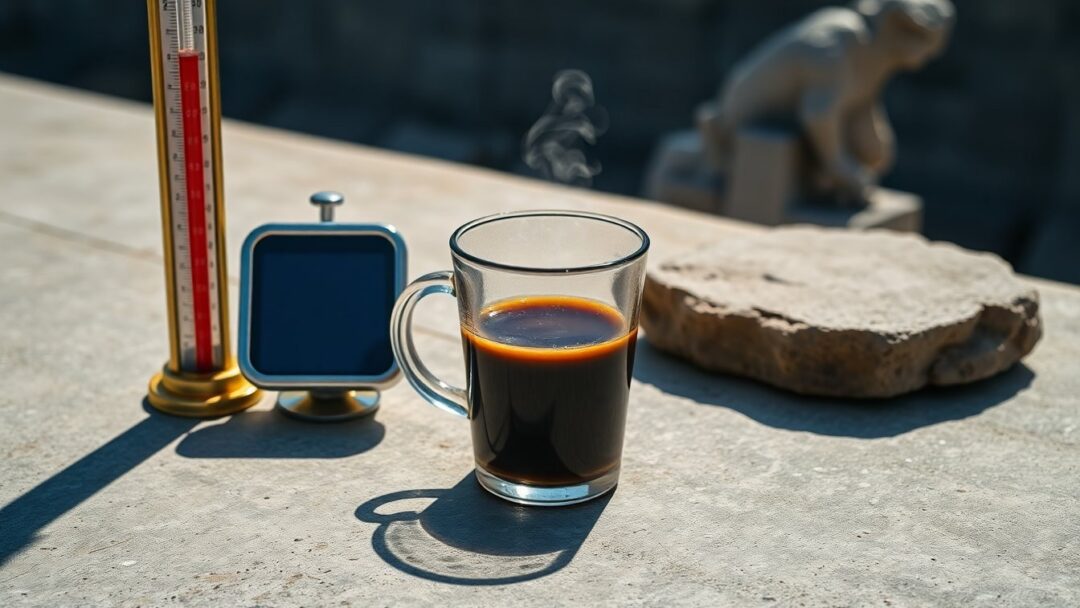
Heat index, also known as the apparent temperature>is a measure of how hot it feels outside, taking into account both the air temperature and the humidity level. This is different from the actual air temperature, which is the temperature measured by a thermometer. The heat index is an important factor in understanding why cities often experience worse heat than rural areas.</p>
The wet-bulb temperature> is another crucial factor in understanding heat waves. It is the lowest temperature that can be reached by wrapping a thermometer in a wet cloth and placing it in the air stream. The wet-bulb temperature is an indicator of the <em>heat stress> caused by the combination of heat and humidity. When the wet-bulb temperature is high, it means that the body's ability to cool itself through sweating is impaired, leading to increased risk of <strong>heat-related illnesses>.</p>
Why cities experience worse heat
Cities experience worse heat due to the urban heat island effect>which occurs when built-up areas, such as streets, buildings, and pavement, absorb and retain heat from the sun. This can cause the temperature in cities to be several degrees higher than in surrounding rural areas. Additionally, cities often have higher levels of <strong>air pollution>which can exacerbate the effects of heat waves.</p>
Hydration and cooling strategies
Staying hydrated is essential during heat waves. It is recommended to drink plenty of water> and <strong>electrolyte-rich fluids> to help replace lost salts and minerals. Other cooling strategies include staying in <strong>air-conditioned spaces>taking cool showers or baths, and wearing <strong>lightweight, light-colored clothing>.</p>
Signs of heat illness
It is essential to recognize the signs of heat-related illnesses, such as heat exhaustion> and <strong>heat stroke>. Symptoms of heat exhaustion include heavy sweating, pale skin, fast and weak pulse, and nausea or vomiting. If left untreated, heat exhaustion can lead to heat stroke, which is a life-threatening condition. Symptoms of heat stroke include high body temperature, confusion, slurred speech, and loss of consciousness.</p>
Tips for seniors and outdoor workers
Seniors and outdoor workers are particularly vulnerable to heat-related illnesses. It is recommended that they take regular breaks in cool, shaded areas>drink plenty of <em>water>and wear <strong>protective clothing>such as hats and sunglasses. Additionally, they should avoid strenuous activities during the hottest part of the day and monitor their body temperature regularly.</p>
By understanding the heat index and wet-bulb temperature, and taking steps to stay safe during heat waves, individuals can reduce their risk of heat-related illnesses and stay healthy during the hot summer months.
