

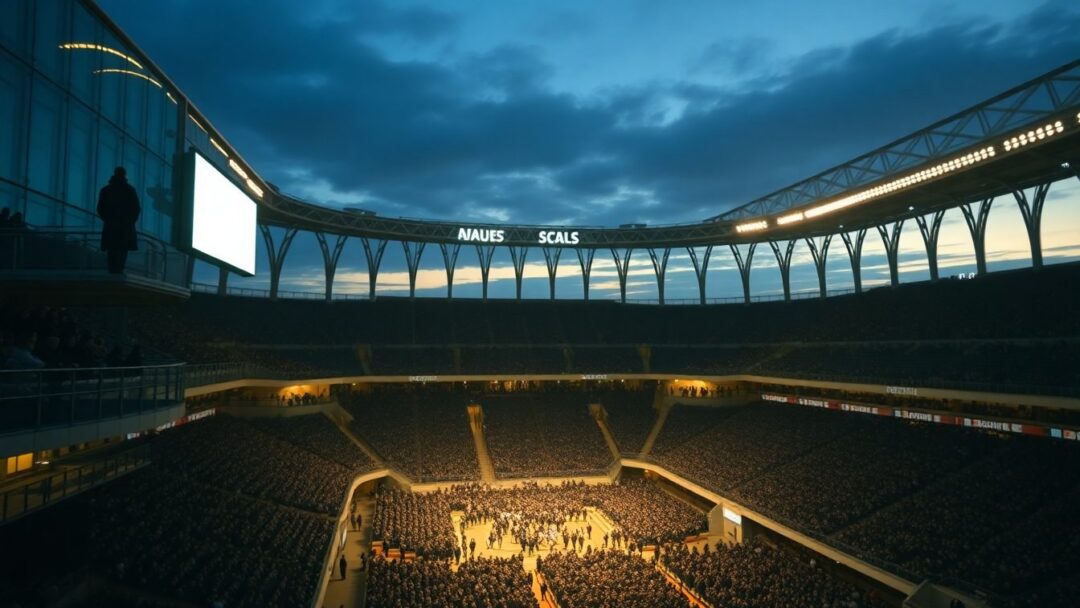
Executive spectacles refer to the use of high-profile events, such as sports and entertainment, by leaders to convey political messages and achieve specific goals. Politics and spectacle may seem like unlikely bedfellows, but they have been intertwined for centuries. By leveraging the attention and emotional investment that spectacle events generate, leaders can target specific audiences and set agendas in a way that is both subtle and powerful.
The use of spectacle events in politics is not new, but it has become increasingly sophisticated in recent years. Leaders now have a range of tools at their disposal, from social media to traditional media outlets, to amplify their messages and reach wider audiences. By pairing politics with spectacle, leaders can create a sense of earned mediawhere the attention and coverage generated by the event is seen as more valuable and authentic than traditional advertising or propaganda.
Audience targeting and agenda-setting
One of the key benefits of using spectacle events in politics is the ability to target specific audiences and set agendas. By choosing events that resonate with particular demographics or interest groups, leaders can tailor their messages and appeals to maximize impact. For example, a leader may use a sports event to reach a younger audience, or a music festival to connect with a more liberal or progressive crowd. By setting the agenda in this way, leaders can shape public discourse and influence the issues that are seen as most important.
The role of media literacy
However, the use of spectacle events in politics also raises important questions about media literacy and the ability of audiences to critically evaluate the messages they are being sent. As leaders become increasingly sophisticated in their use of spectacle and propaganda, it is more important than ever that audiences are able to decode and interpret the messages they are being sent. This requires a high degree of critical thinking and media literacyas well as an understanding of the ways in which politics and spectacle intersect.
Insights from classic examples
There are many classic examples of leaders using spectacle events to achieve political goals. For instance, the use of sports diplomacy by leaders such as Nelson Mandela and Muhammad Ali demonstrates the power of spectacle to bring people together and transcend political divides. Similarly, the use of music festivals by leaders such as Woodrow Wilson and Franklin D. Roosevelt shows how spectacle can be used to promote social cohesion and national unity. By studying these examples, we can gain a deeper understanding of the ways in which politics and spectacle intersect, and how leaders can use spectacle events to achieve their goals.
Ultimately, the use of spectacle events in politics is a complex and multifaceted phenomenon that requires careful consideration and analysis. By understanding the ways in which leaders use spectacle to target audiences and set agendas, and by developing a high degree of media literacy, we can better navigate the increasingly complex landscape of modern politics.


