

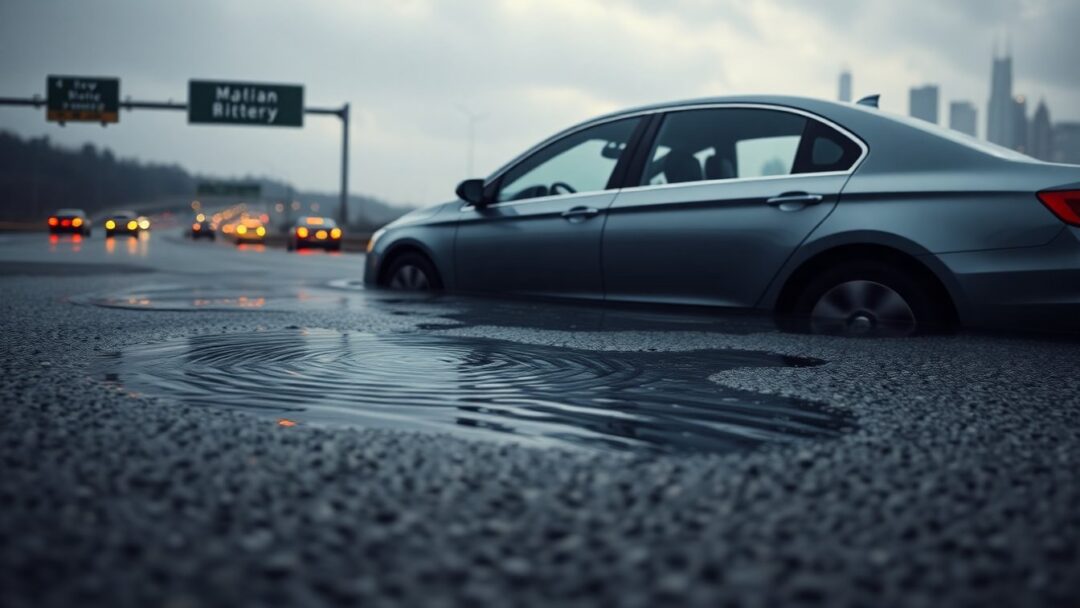
Flash flooding can occur suddenly and without warning, posing a significant threat to drivers on New York interstates and parkways. Floodwater can be deceptively deep, and it is essential for drivers to know how to handle their vehicles in such situations. Generally, the best course of action is to avoid driving through flooded areas altogether, but this is not always possible.
In most cases, flash flooding is caused by heavy rainfall, and drivers should be aware of the weather forecast before embarking on their journey. Typically, warning signs will be posted in areas prone to flooding, and drivers should be cautious when approaching these zones. It is also crucial to understand the vehicle limits and how they can be affected by floodwater.
Route planning and warning signs
Before driving, it is essential to plan the route and check for any flood warnings or road closures. Drivers can use NYC regional detour tools and 511 resources to get real-time updates on road conditions. In most cases, these tools will provide information on alternative routes and help drivers avoid flooded areas.
Vehicle limits and floodwater
Drivers should be aware of their vehicle’s limits when driving through flooded areas. Floodwater can be contaminated with debris, oil, and other substances that can damage the vehicle. Typically, the engine and electrical systems are the most vulnerable to floodwater, and drivers should avoid driving through deep water to prevent damage.
If the water rises suddenly while driving, it is essential to remain calm and follow the correct procedure. Generally, drivers should turn around and find an alternative route if possible. If this is not possible, drivers should seek higher ground and wait for the water to recede. In most cases, it is better to err on the side of caution and avoid driving through flooded areas altogether.
Conclusion
By understanding flood warningsvehicle limits and route planning drivers can minimize their risk of being involved in a flood-related accident. Generally, it is always better to prioritize safety and avoid driving through flooded areas if possible.


