

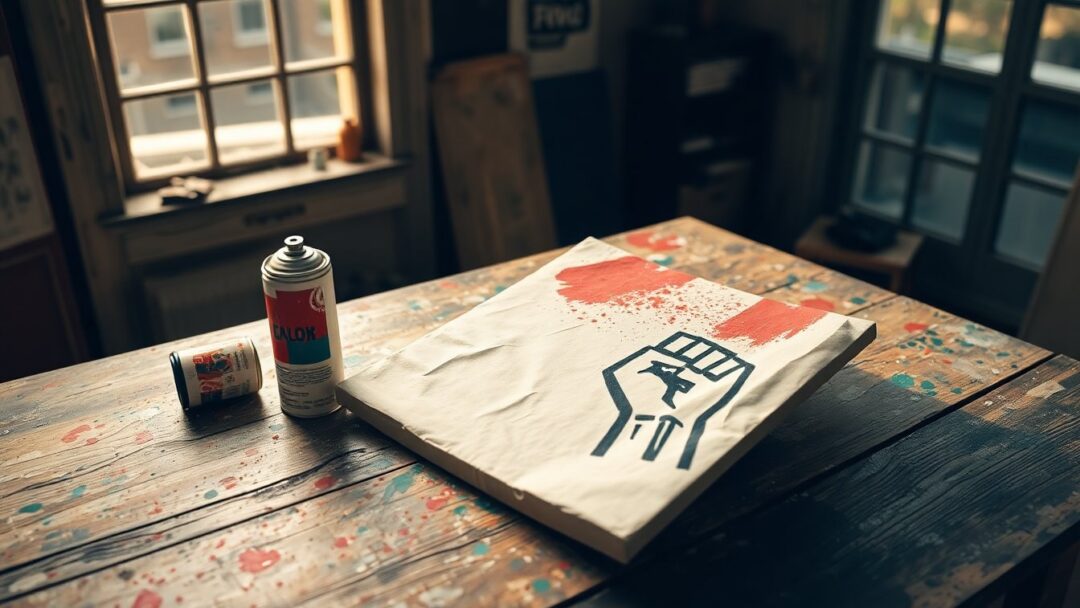
Artistic expression has long been a powerful tool for advocacy and social change. Protected speech is a fundamental right that allows individuals to express their opinions and ideas without fear of retribution. In the context of artistic expression this means that artists can use their work to challenge social norms, critique political systems, and promote social justice.
The connection between artprotest and politics is complex and multifaceted. Artistic expression can be used to raise awareness about social issues, mobilize public opinion, and influence policy decisions. However, it can also be subject to censorship, repression, and other forms of restriction.
Understanding the role of artistic expression in shaping public discourse
Artistic expression can take many forms, including music, visual art, literature, and performance. Each of these forms has the potential to shape public discourse and promote social change. For example, a protest song can inspire people to take action, while a public art installation can challenge social norms and spark conversation.
Participating safely and legally
While artistic expression is a powerful tool for advocacy, it is essential to participate safely and legally. This means obtaining any necessary permits or licenses respecting the rights of others, and avoiding incitement or other forms of harmful speech. It is also important to be aware of the potential risks and consequences of artistic expression, including censorshiprepression and backlash.
Using de-escalation techniques and inclusive messaging
In addition to participating safely and legally, it is essential to use de-escalation techniques and inclusive messaging to promote social change. This means being aware of the potential impact of artistic expression on different audiences, using language and imagery that is respectful and inclusive, and avoiding polarization or division. By using these techniques, artists and advocates can create a more positive and productive dialogue around social issues.
Conclusion and final insights
By understanding the connection between art, protest, and politics, and by participating safely and legally, artists and advocates can promote social justice and shape public discourse. Remember to always use de-escalation techniques and inclusive messaging to promote a more positive and productive dialogue around social issues.


