

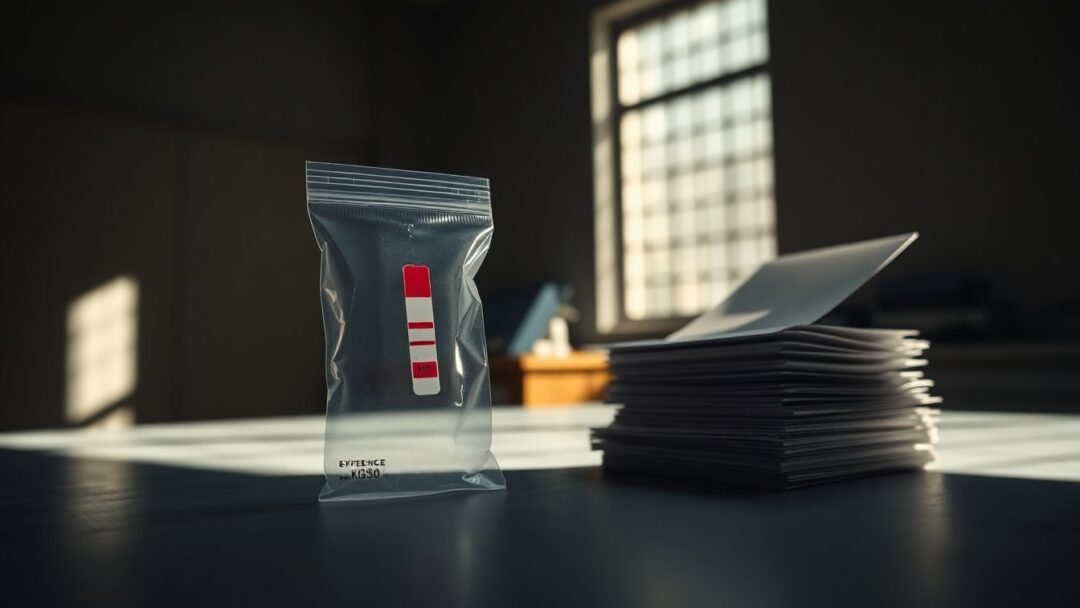
The concept of crime scene investigation has been heavily influenced by television shows, leading to a multitude of myths and misconceptions about the process. In reality, crime scene investigation is a meticulous and time-consuming process that involves a team of experts working together to gather and analyze evidence. Detectivescsis (crime scene investigators), and prosecutors all play crucial roles in solving crimes and bringing criminals to justice.
One of the most significant myths surrounding crime scene investigation is the idea that it is a quick and easy process. In reality, investigations can take weeks, months, or even years to complete. This is because csis must carefully collect and analyze every piece of evidence, from dna samples to fingerprints and other physical evidence. Prosecutors must then use this evidence to build a case against the suspect, which can be a lengthy and complex process.
Debunking tv-driven assumptions
Another myth perpetuated by television shows is the idea that dna analysis is a rapid process. In reality, dna analysis can take several days or even weeks to complete. Additionally, chain of custody is a critical aspect of crime scene investigation as it ensures that evidence is handled and stored properly to prevent contamination or tampering. Detectives and csis must carefully document every step of the process, from collection to analysis, to ensure that the evidence is admissible in court.
The role of detectives, csis, and prosecutors
Detectives are responsible for investigating crimes and gathering evidence. They work closely with csis to collect and analyze physical evidence, and with prosecutors to build a case against the suspect. Csis are responsible for collecting and analyzing physical evidence, such as dna samples, fingerprints, and other physical evidence. Prosecutors are responsible for using the evidence collected by detectives and csis to build a case against the suspect and bring them to justice.
Evidence processing timeline
The evidence processing timeline can vary depending on the complexity of the case and the amount of evidence collected. Generally, the process begins with the collection of evidence at the crime scene, followed by analysis and documentation. The evidence is then stored and preserved for use in court. Prosecutors must carefully review the evidence and build a case against the suspect, which can take several weeks or even months.
In most cases, crime scene investigation is a team effort that requires careful planning, attention to detail, and a thorough understanding of the law. By working together, detectivescsis and prosecutors can ensure that justice is served and that criminals are brought to justice.


