

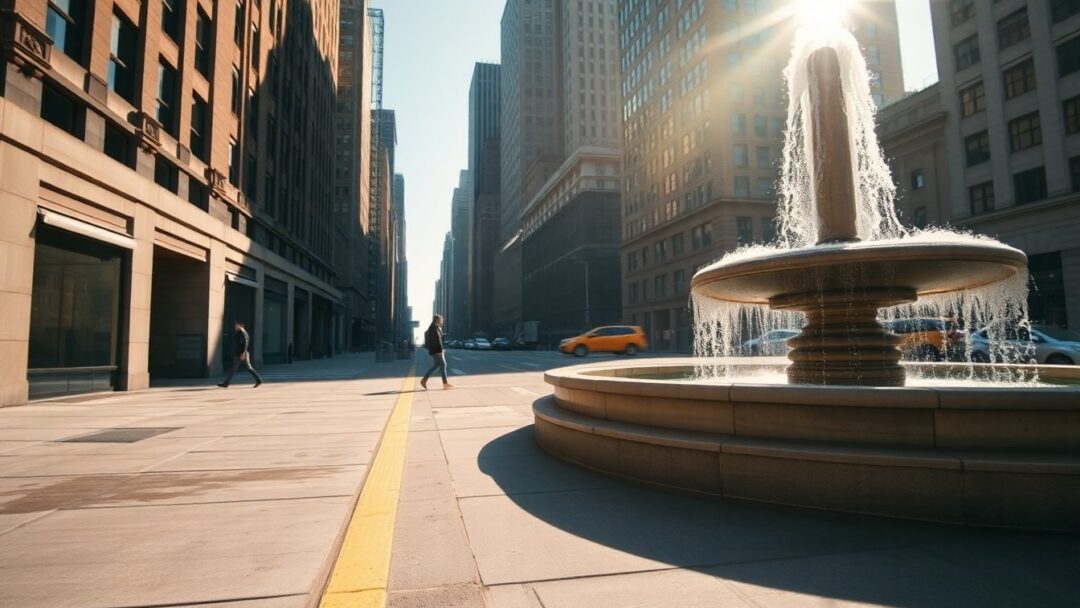
Heatwaves can be devastating, especially in dense neighborhoods like those found in New York. The urban heat island effect, which occurs when built-up areas absorb and retain heat, can make cities feel even hotter than surrounding rural areas. This phenomenon is particularly pronounced in areas with limited green spaces and a high concentration of buildings and asphalt.
Understanding the risks associated with heatwaves is crucial for residents, particularly seniors and young children who are more vulnerable to heat-related illnesses. It is essential to take proactive measures to stay safe during these periods. This article will explore city-specific tactics for staying safe during extreme heat in dense neighborhoods, including the use of cooling centersnight ventilationhydration timing and appliance use.
Cooling Centers and Public Spaces
Cooling centers are air-conditioned public spaces that provide relief from the heat. These centers can be librariescommunity centers or shopping malls. In New York, residents can visit these centers to cool down and escape the heat. Additionally, parks and green spaces can provide some relief, although they may not be as effective as air-conditioned spaces.
Night Ventilation and Cooling
Night ventilation is a technique that involves opening windows at night to let cool air in and then closing them during the day to keep the heat out. This method can be effective in cooling down apartments and homes without relying on air conditioning. However, it requires careful planning and execution to be successful. Residents should also consider using fans and shades to keep their homes cool.
Hydration Timing and Appliance Use
Staying hydrated is critical during heatwaves. Residents should drink plenty of water throughout the day, especially during the hottest parts of the day. It is also essential to avoid using heat-generating appliances like ovens and hair dryers during peak heat hours. Instead, residents can use microwaves or grills to cook meals and minimize heat generation.
Special Considerations for Seniors, Pets, and Walk-up Buildings
Seniors and pets are particularly vulnerable to heat-related illnesses. Residents should check on their elderly neighbors and ensure they have access to cool spaces and hydration. Pet owners should also take extra precautions to keep their pets cool and hydrated. For residents living in walk-up buildings it is crucial to take regular breaks when climbing stairs and to stay hydrated to avoid heat exhaustion.
By understanding the risks and taking proactive measures, residents can protect themselves and their loved ones from the dangers of extreme heat.


