

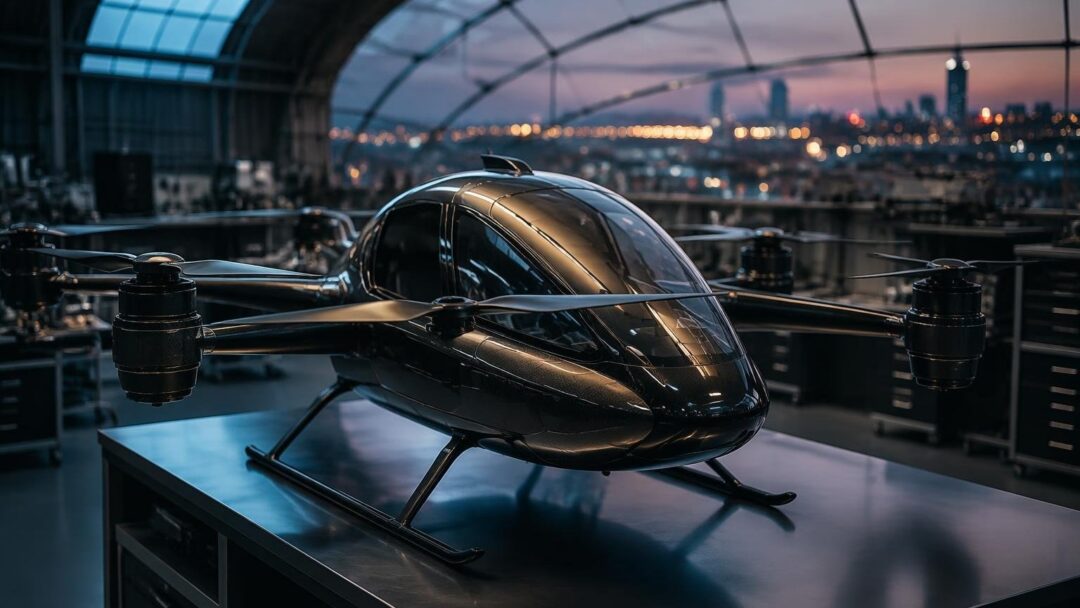
The concept of eVTOL (electric vertical takeoff and landing) technology has been gaining attention in recent years due to its potential to transform the way people travel in urban areas. eVTOL aircraft are designed to take off and land vertically, like helicopters, but are powered by electric motors, making them more efficient and environmentally friendly. This technology has the potential to reduce traffic congestion, decrease travel time, and increase the
One of the key considerations for the implementation of eVTOL technology is noise pollution. As these aircraft will be operating in urban areas, it is essential to minimize their noise impact on the surrounding environment. Researchers are working to develop noise reduction technologies that can be integrated into eVTOL aircraft to reduce their noise footprint.
Safety Considerations
Safety is another critical aspect of eVTOL technology. As with any new mode of transportation, there are risks involved, and it is crucial to develop and implement safety protocols to minimize these risks. This includes the development of emergency landing procedures and the implementation of air traffic control systems that can manage the flow of eVTOL aircraft in urban areas.
Airspace Integration
The integration of eVTOL aircraft into existing airspace is a complex challenge. It requires the development of new air traffic management systems that can accommodate the unique characteristics of eVTOL aircraft. This includes the creation of vertiports which are specialized landing pads designed for eVTOL aircraft.
Vertiports and Urban Transportation
Vertiports have the potential to revolutionize urban transportation by providing a convenient and efficient way to travel within cities. They can be integrated into existing transportation networks, such as train stations and rideshare hubs to create a seamless travel experience. This can help to reduce traffic congestion and decrease travel time, making cities more livable and sustainable.
Regulation and Equity
The regulation of eVTOL technology is critical to ensuring its safe and equitable implementation. Governments and regulatory agencies must develop and implement regulations that balance the needs of different stakeholders, including residentsbusinesses and environmental groups. This includes ensuring that eVTOL aircraft are accessible to all members of society, regardless of their income or social status.
While there are challenges to be addressed, the benefits of this technology make it an exciting and promising development in the field of transportation.


