

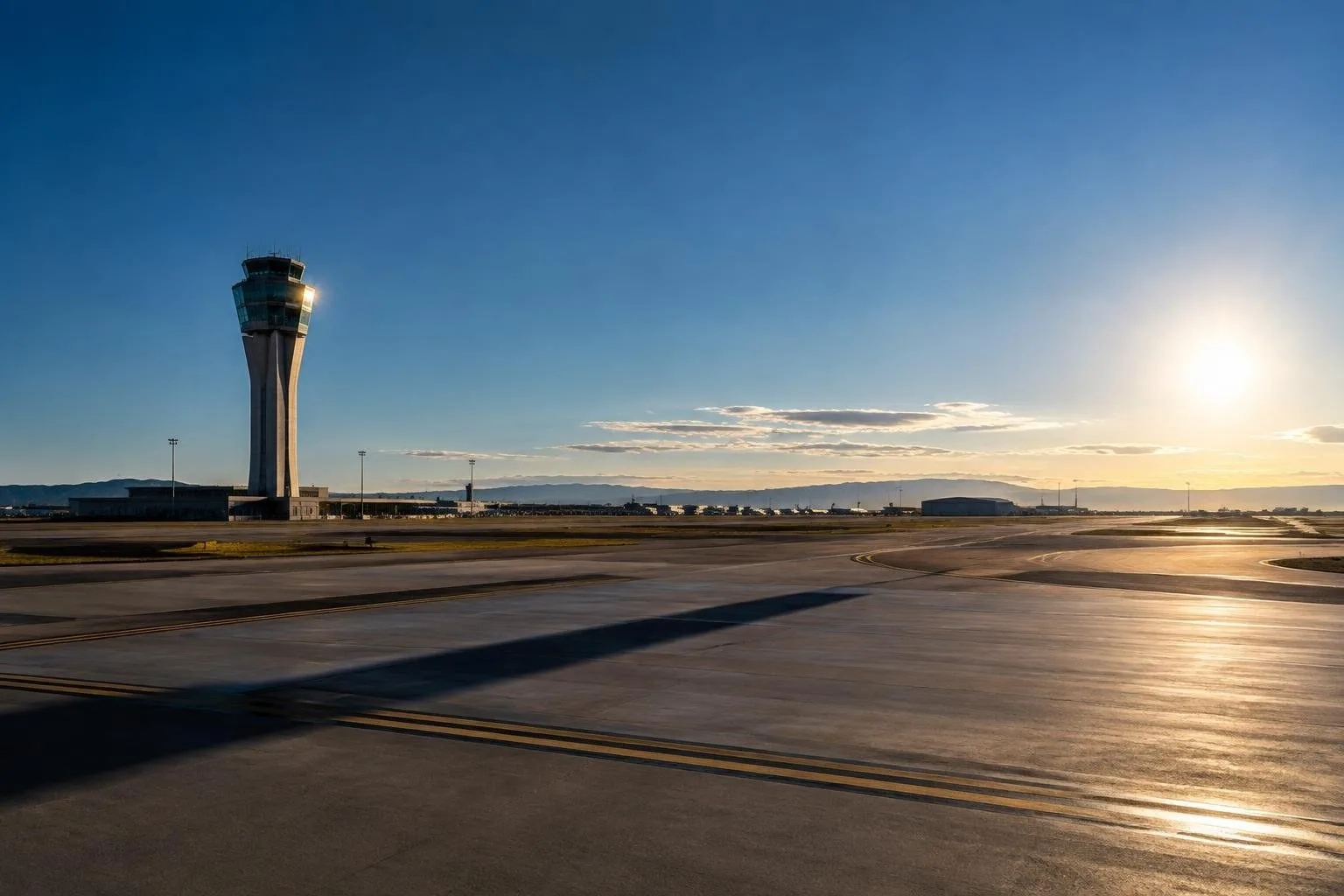
The Federal Aviation Administration halted flights nationwide over the weekend, exposing a chronic modernization shortfall in the nation’s air-traffic system. The blame game quickly involved the Trump administration, President Biden, and the Department of Transportation’s own secretary, Sean Duffy, who pointed fingers at Congress despite the GOP’s recent control of both chambers and his own 2019 vote against FAA funding.
Congressional allocation versus administration demand
Senator Chris Van Hollen (D-Md.) reminded listeners that Congress had honored the Trump administration’s request for a $12.5 billion package, yet only about one-third of that sum has been spent. FAA Administrator Bryan Bedford reported a 38 percent expenditure to date and estimated roughly $10.1 billion more is required to complete the modernization effort. Duffy, meanwhile, argued for a $50 billion injection, inflating the fiscal debate and underscoring a bipartisan failure to finish a project that has lingered across multiple presidencies.
Buffalo Niagara International Airport rebounds
While travelers nationwide faced cancellations and delays, operations at Buffalo Niagara International Airport largely returned to normal by Sunday. Of the 45 scheduled flights by 8:45 p.m., only two were cancelled and seven experienced delays, suggesting localized recovery even as the broader system remains under pressure.
Democratic surge reshapes state governments
State chambers across the country witnessed a dramatic shift: Democrats captured 12 new legislatures, broke Republican super-majorities in 13 chambers, and added five governorships while eyeing a sixth in Alaska. Six states (Arizona, Michigan, Minnesota, Nevada, Pennsylvania and Wisconsin) now boast Democratic trifectas, giving the party control of the governor’s office and both legislative houses. This new state dominance promises to influence housing, health-care, education and child-care policy, and could cement future congressional maps in the party’s favor.
Mackinac Island ferry services fall under a near-monopoly
Since 2016, the Hoffmann Family of Companies, a Florida-based private-equity firm, has steadily acquired the three commercial ferry routes that connect the mainland to Mackinac Island, Michigan. By 2024 the firm also owned two regional newspapers, more than 116 parcels of land, 51 buildings and 6,500 parking spaces, making it the largest real-estate holder in the Mackinac region. Following the consolidation, ticket prices rose, bike fees were introduced, and parking costs escalated, prompting the island’s government to sue Hoffmann.
The state ultimately granted the local government authority to regulate ferry economics. In response, Hoffmann warned it could suspend service as early as 2027, a move that would jeopardize tourism and compel businesses like resort owner Liz Ware to question the island’s accessibility.