

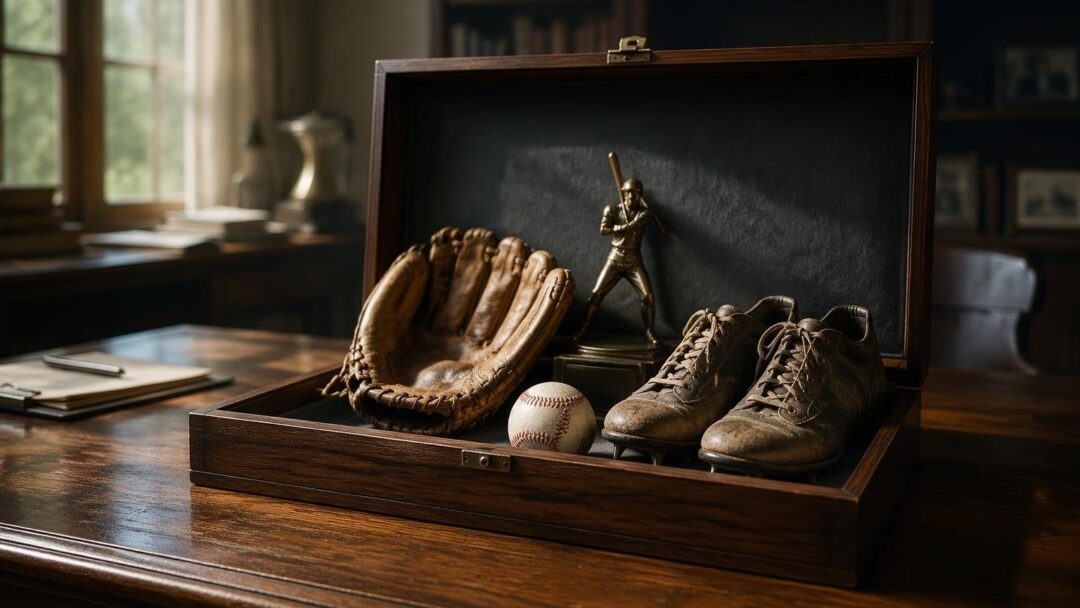
Sports memorabilia has become a lucrative market, with rare items selling for thousands of dollars. For beginners, navigating this market can be daunting. Authentication is the first step in evaluating sports memorabilia value. It involves verifying the item’s legitimacy and ensuring it is not a fake or replica. Provenance or the item’s history of ownership, is also crucial in determining its value.
Another key factor in evaluating sports memorabilia value is grading. Grading involves assessing the item’s condition and assigning a grade based on its quality. Market comps or comparable sales, are also essential in determining an item’s value. By researching similar items that have sold in the past, buyers can make informed decisions about their purchases.
Understanding Provenance
Provenance is the history of an item’s ownership, and it plays a significant role in determining its value. Items with documented provenance are more valuable than those without. Buyers should look for items with clear documentation, such as certificates of authenticity or letters from previous owners.
Grading and Condition
Grading is the process of assessing an item’s condition and assigning a grade based on its quality. The most common grading system is the Professional Sports Authenticator (PSA) grading scale, which ranges from 1 to 10. Buyers should look for items with high grades, as they are more valuable than those with lower grades.
Market Comps and Pricing
Market comps are essential in determining an item’s value. By researching similar items that have sold in the past, buyers can make informed decisions about their purchases. Pricing is also crucial, as it can fluctuate based on market demand. Buyers should stay up-to-date with market trends and adjust their pricing accordingly.
Decision Tree for Buy vs. Hold
When evaluating sports memorabilia, buyers must decide whether to buy or hold. A decision tree can help buyers make informed decisions. The tree should consider factors such as the item’s authenticity, provenance, grading, and market comps. If the item meets all the criteria, buyers should consider purchasing it. If not, they should hold off until they find a better opportunity.
Auction Readiness Checklist
Before auctioning off sports memorabilia, sellers should ensure they are auction ready. A checklist can help sellers prepare for the auction process. The checklist should include items such as authentication documentsprovenance documentation and high-quality images of the item. Sellers should also research market comps and set a competitive price for their item.
Common scams in the sports memorabilia market include counterfeit items and misrepresented provenance. Buyers should be cautious when purchasing items online and ensure they are buying from reputable sellers. Safe storage practices are also essential, as they can help prevent damage to the item and maintain its value.


